
 KUMARAN. V
Toyota Analysis Institute of North The us (TRINA) has advanced a brand new simulation-driven inverse design technique to boost up the analysis and construction procedure for gasoline cellular glide box plates. The technique units key efficiency goals and directs algorithms to generate structural glide box bureaucracy that satisfy the ones goals. The TRINA crew engineered this method by way of integrating the COMSOL Multiphysics device into its inverse design workflow.
“We predict that the inverse design method can revolutionize present design apply,” mentioned Yuqing Zhou, a analysis scientist at TRINA. “We’re enabling the next move in a protracted adventure, even supposing we can not know precisely the place that adventure will lead.”
The crew at TRINA carried out its option to the design of glide box microchannel plates, which direct the motion of fluid reactants in microreactors like hydrogen–oxygen gasoline cells.
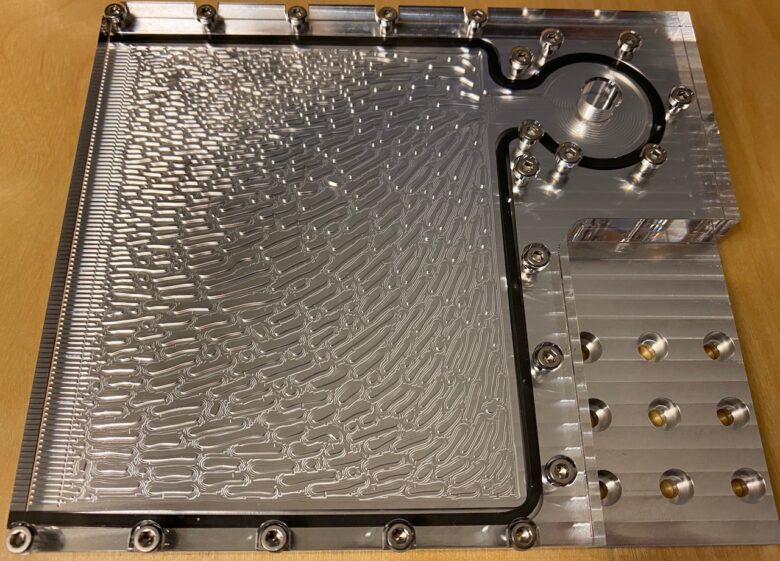
TRINA is a part of a big community of Toyota R&D groups which can be running towards the advance of a “hydrogen society,” the place fossil fuel-burning engines, heating programs, and turbines would get replaced by way of gasoline cells that extract electrical present from hydrogen.
“Gas cellular era has the possible to offer blank power globally,” mentioned Margaret Lemus, VP of promoting at COMSOL. “To reach this, the era must transform extra environment friendly, and optimizing the designs is the most important step. It’s thrilling to peer how simulation empowers researchers to discover other choices and make knowledgeable selections that can result in extra environment friendly gasoline cellular designs.”
Optimizing designs for glide, response, or each
Throughout their analysis, Zhou and his colleagues identified that they had to optimize their design procedure earlier than they might optimize their designs.
“We had been in search of an effective approach of approximating what a extra advanced simulation would display. We now have sacrificed some modeling complexity, which in truth permits us to discover extra elaborate designs in much less time,” mentioned Zhou.
When their design was once optimized for fluid glide, the generated microchannel paths had been directly and parallel, with little facet branching. When the weighting elements within the goal serve as had been adjusted to prioritize response uniformity, the process generated intricate microchannel bureaucracy.
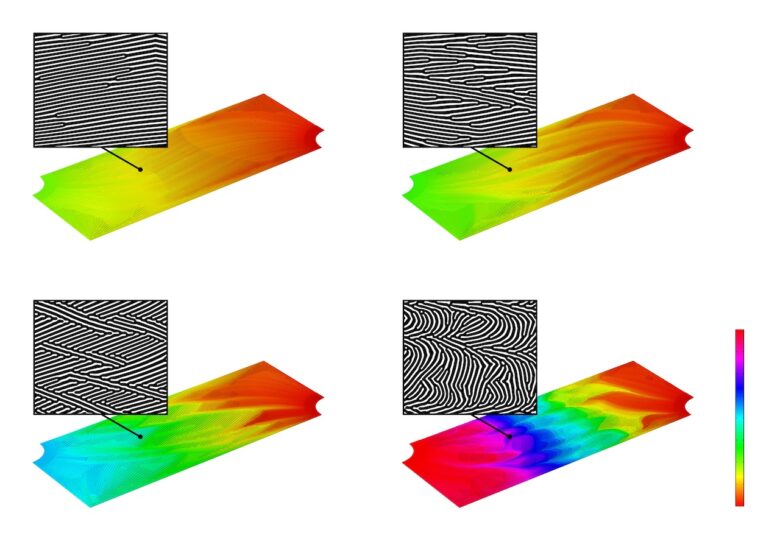
In a analysis paper, revealed in Chemical Engineering Magazine, the TRINA crew additionally notes that some have in the past experimented with natural-looking, fractal, or hierarchical bureaucracy decided on a priori for glide box channels.
“That is the primary time that such large-scale branching glide fields were came upon the usage of an inverse design method with out assuming prescribed layouts,” mentioned Zhou.
Toyota’s adventure to creating gasoline cells is mentioned in additional element within the COMSOL Person Tale Gallery and in a keynote communicate from COMSOL Day: Batteries & Gas Cells.
COMSOL
comsol.com